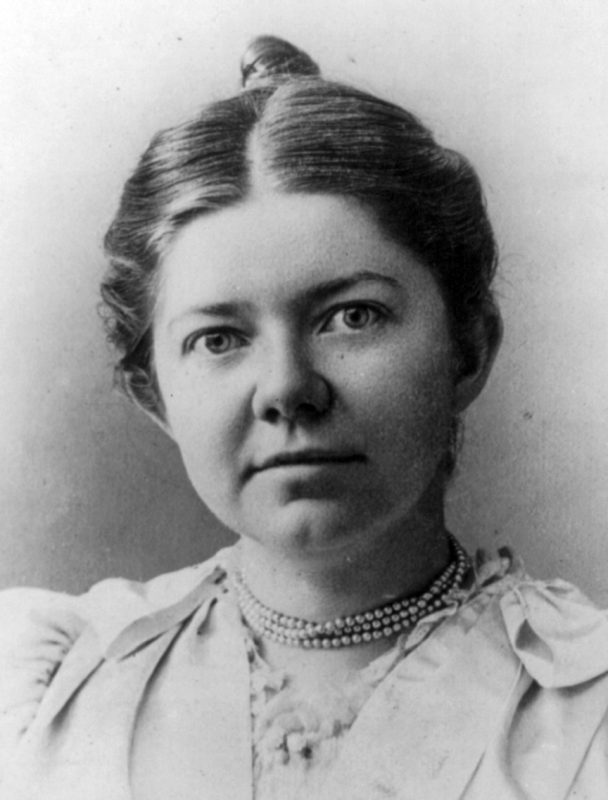
Amy Beach – Bal Masque, op. 22 for Orchestra.
John Corigliano – Gazebo Dances (1974)
(Intermission)
William Grant Still – Christmas in the Western World [with NIHCC] (Strings only)
Rossini/Respighi – Selections from La boutique fantasque (1911) (Overture, Tarantella, Galop)
Amy Beach (1867-1944), née Amy Marcy Cheney, was born in New Hampshire. Amy was a bona fide musical prodigy, performing her first public piano recitals at the age of 7. At 18 she debuted with the Boston
Symphony Orchestra performing Chopin’s Concerto in F Minor. That year she married Henry Harris Aubrey Beach, a physician 24 years her senior. Henry insisted that Amy limit her public performances after their marriage to two public recitals per year, and was encouraged to compose more and perform less. Amy was largely self-taught as a composer, as Henry disapproved of her private study with a composition teacher. Her first major compositional success was Mass in E-flat Major performed by the Handel and Haydn Society in 1892. It was notable as the first female composition ever performed by the Society.
Bal Masqué, Op. 22 for Orchestra is a colorful work by Amy Beach. Originally written for solo piano, the composition was reorchestrated to capture the festive spirit of a “masked ball”. The work performed today by the NIHCO is considered a vibrant example of Beach’s late romantic style.
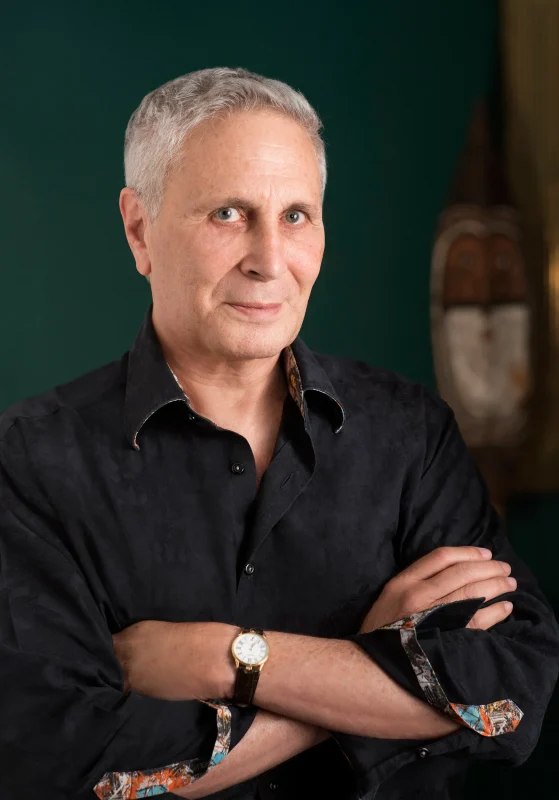
John Paul Corigliano (b. 1938) is an American composer of contemporary classical music with over 100 compositions. His accolades include a Pulitzer Prize for his Symphony No. 2, five Grammy Awards, the Grawemeyer Award for Symphony No. 1, and an Academy Award for Best Original Score (The Red Violin). He currently teaches composition at the Juilliard School. Corigliano is best known for his Symphony No. 1, a response to the AIDS epidemic, and his film score for François Girard’s The Red Violin (1997), which he later adapted as his 2003 Concerto for Violin and Orchestra. More recent scores include The Lord of Cries, an opera based on The Bacchae of Euripides and Bram Stoker’s Dracula. It is Corigliano’s tenth piece for soloist and orchestra, after his concerti for piano, oboe, clarinet, flute (Pied Piper Fantasy), guitar (Troubadours), violin (The Red Violin), and percussion (Conjurer), as well as the orchestral song-cycles Mr. Tambourine Man: Seven Poems of Bob Dylan for amplified soprano, and One Sweet Morning for mezzosoprano. Other scores include Symphony No. 3: Circus Maximus for multiple wind ensembles, as well a rich folio of chamber works. The Ghosts of Verseilles was premiered in December 1991 at New York’s Metropolitan Opera. The French premiere was given, in a co-production with the Glimmerglass Festival, by the Royal Opera of Versailles in December of 2019. This followed its 2015 staging by the Los Angeles Opera, which collected Grammys in 2017 for Best Opera Recording and Best Engineered Classical album.
Gazebo Dances is a set of four-hand piano pieces later transcribed by the composer for orchestra. The title Gazebo Dances suggests the pavilions hosting public concerts on summer evenings throughout the countryside. The delights of that sort of entertainment are elicited in these dances, as portrayed in today’s performance.
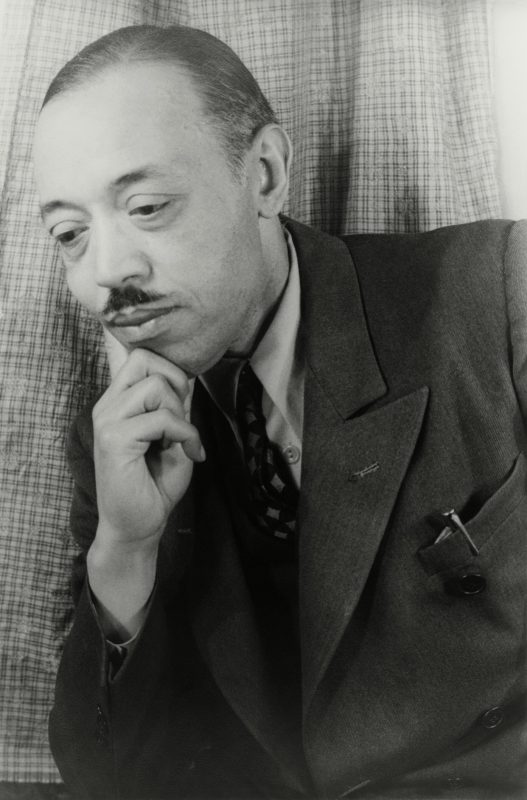
William Grant Still (1895-1978), one of America’s foremost composers, is known as the “Dean of African-American Classical Composers”. Born in Woodville, Mississippi to a family of teachers and musicians, he became a legend in his own lifetime. His musical education began with violin, with later inspiration from the Red Seal operatic recordings left by his stepfather. During his college years at Ohio’s Wilberforce University, Still learned to play a variety of instruments as well as to conduct, compose and orchestrate. His subsequent studies at the Oberlin Conservatory of Music were financed at first by a legacy from his father, and later by a scholarship established just for him by the faculty.
At the end of his college years, Still entered the world of popular music playing in orchestras with a particular focus on violin, cello and oboe. His mentors included such notables as W. C. Handy, Sophie Tucker, and Artie Shaw. He then studied at the New England Conservatory under George Chadwick and, separately, under the noted modern composer Edgar Varese. Dr. Still wrote more than 150 works including five symphonies. His Symphony No. 1 in A-flat, “Afro-American” (1930) is the most frequently performed. His opera, Troubled Island, with a libretto by Langston Hughes, was the first opera by an African-American performed by a major company when it was presented by the New York City Opera in 1949. Dr. Still was also the first African-American to have a symphony performed by a major symphony orchestra. In 1936 he was the first to conduct a major US symphony orchestra, the Los Angeles Philharmonic, performing his compositions at the Hollywood Bowl. Dr. Still was an iconoclast and a pioneer able to create music with a truly American flavor of interest to the greatest conductors of his day and was a major influence in the Harlem Renaissance.
Today’s performance of Still’s Christmas in the Western World is performed by the NIH Community Chorus accompanied by the NIH Community Orchestra. The piece blends traditional Christmas melodies with Dr. Still’s unique harmonies, capturing the spirit of the holiday season in Western culture.
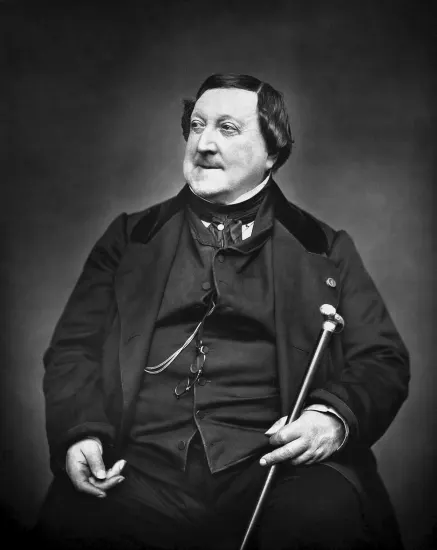
Gioacchino Rossini (1792 –1868), an Italian composer of the late Classical and early Romantic eras, gained most of his fame for his 39 operas. He also wrote many pieces of chamber music, piano, and some sacred music. Having already attained public acclaim, he retired from large-scale composition while still in his thirties and at the height of his popularity.
Born in Pesaro to parents who were both musicians, Rossini began to compose by the age of twelve and was educated at music school in Bologna. His first opera was performed in Venice in 1810 when he was 18 years old. In 1815 he was engaged to write operas and manage theatres in Naples. In the period 1810–1823, he wrote 34 operas for the Italian stage that were performed in Venice, Milan, Ferrara, Naples and elsewhere; this productivity necessitated an almost formulaic approach for some components such as overtures. During this period he produced his most popular works, including the comic operas L’italiana in Algeri, Il barbiere di Siviglia (The Barber of Seville) and La Cenerentola, which brought to a peak the opera buffa tradition he inherited from masters such as Wolfgang Amadeus Mozart, Domenico Cimarosa and Giovanni Paisiello. He also composed opera seria works such as Tancredi, Otello and Semiramide. All of these attracted admiration for their innovation in melody, harmonic and instrumental color, and dramatic form. In 1824 he was contracted by the Opéra in Paris, for which he produced an opera to celebrate the coronation of Charles X, Il viaggio a Reims (half the music of which was later reused for his first opera in French, Le comte Ory), revisions of two of his Italian operas, Le siège de Corinthe and Moïse, and in 1829 his last opera, Guillaume Tell.
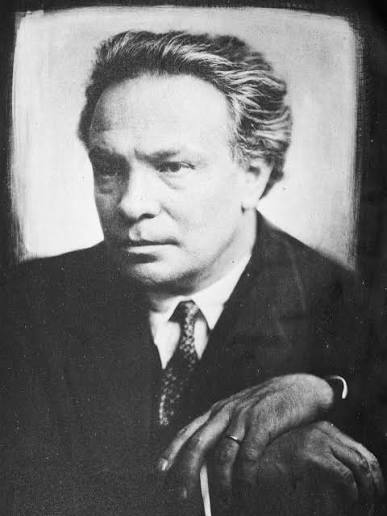
Ottorino Respighi (1879 – 1936) was an Italian composer, violinist, teacher, and musicologist and one of the leading Italian composers of the early 20th century. Born in Bologna to a musical and artistic family. He was encouraged by his father to pursue music at a young age and studied violin, viola and piano. In 1891 he enrolled at the Liceo Musicale di Bologna, where he studied violin, viola, and composition. He later became principal violist at the Russian Imperial Theatre and studied briefly with Nikolai Rimsky-Korsakov. His best-known works are three orchestral tone poems which brought him international fame: Fountains of Rome (1916), Pines of Rome (1924), and Roman Festivals (1928). He relocated to Rome in 1913 to become professor of composition at the Liceo Musicale di Santa Cecilia. During this period he married his pupil, singer Elsa Olivieri-Sangiacomo.
In 1923 Respighi quit his professorship to dedicate time to tour and compose but continued to teach until 1935. He performed and conducted in various capacities across the United States and South America from 1925 until his death in 1936.
La boutique fantasque, also known as The Magic Toyshop, is a ballet in one act conceived by Léonide Massine. Respighi wrote the music based on piano pieces by Rossini. Its 1919 London world premiere was performed by Sergei Diaghilev’s Ballets Russes, who devised the choreography for a libretto written with the artist André Derain. Massine described how, in Rome for a ballet season, Respighi brought the score of Rossini’s Péchés de vieillesse (sins of old age) to Diaghilev. Toulouse-Lautrec was an influence on the period setting and style of La boutique fantasque, and Massine envisaged the principal character “quite Lautrec-like”. The story of the ballet has similarities to Die Puppenfee (“The Fairy Doll”) of Josef Bayer, an old German ballet that had been performed by Jose Mendez in Moscow in 1897 and by Serge and Nicholas Legat in Saint Petersburg in 1903. Others note the similarities to Hans Christian Andersen’s The Steadfast Tin Soldier. Massine’s scenario centers on the love story between two can-can dancer dolls in a toyshop, incorporating elements of comedy, national folk dance and mime, as well as classical choreography.
Today’s performance by the NIH Community Orchestra of selections from La boutique fantasque includes the lively Overture in a march tempo, followed by a Tarantella based on traditional folk dances from Southern Italy. The final Galop (“gallop”) is a lively country dance first introduced to Paris society in the late 1820s.